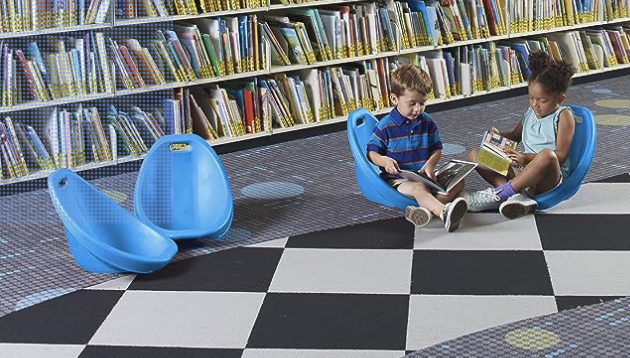
Flexible seating is a modern approach to classroom design that goes beyond traditional rows of desks and chairs. It offers students a variety of seating options to choose from, such as bean bags, floor cushions, standing desks, and collaborative seating arrangements. This innovative concept has gained popularity due to its numerous benefits, fostering a more dynamic and engaging learning environment. Let’s explore some of the key advantages of flexible seating in the classroom.
*As an Amazon Associate, I earn from qualifying purchases on the affiliate links on this page.


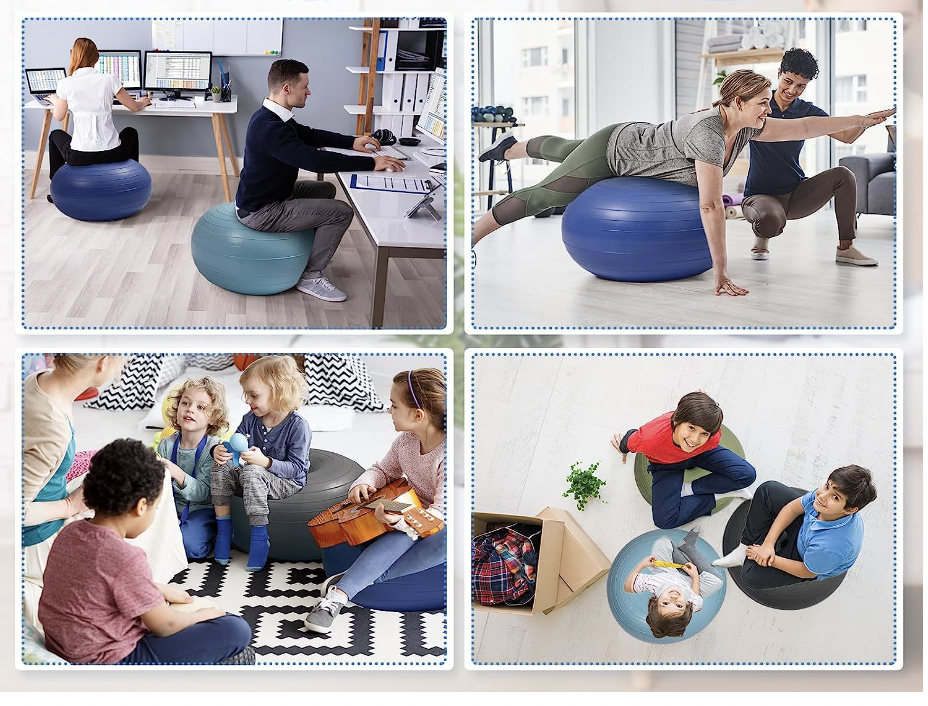
Enhanced Engagement
Flexible seating allows students to choose seating options that are comfortable and conducive to their learning preferences. When students are comfortable and engaged, they are more likely to focus on the lesson at hand and actively participate in discussions.

Improved Collaboration
Flexible seating arrangements encourage collaboration among students. Circular seating setups, clusters of desks, and communal seating areas promote interaction and group work. Students can easily move around to work with different peers, fostering a sense of teamwork and camaraderie.

Comfort, focus, and Mindfulness
When students are comfortable, they are more likely to stay focused and engaged during lessons. Flexible seating options, like soft seating or wobble stools, can alleviate physical discomfort, reducing distractions and promoting a more attentive classroom environment. Flexible seating arrangements can contribute to a more relaxed and mindful classroom atmosphere. By giving students the opportunity to select where they sit and how they work, educators can create a more positive and nurturing environment that supports overall well-being.
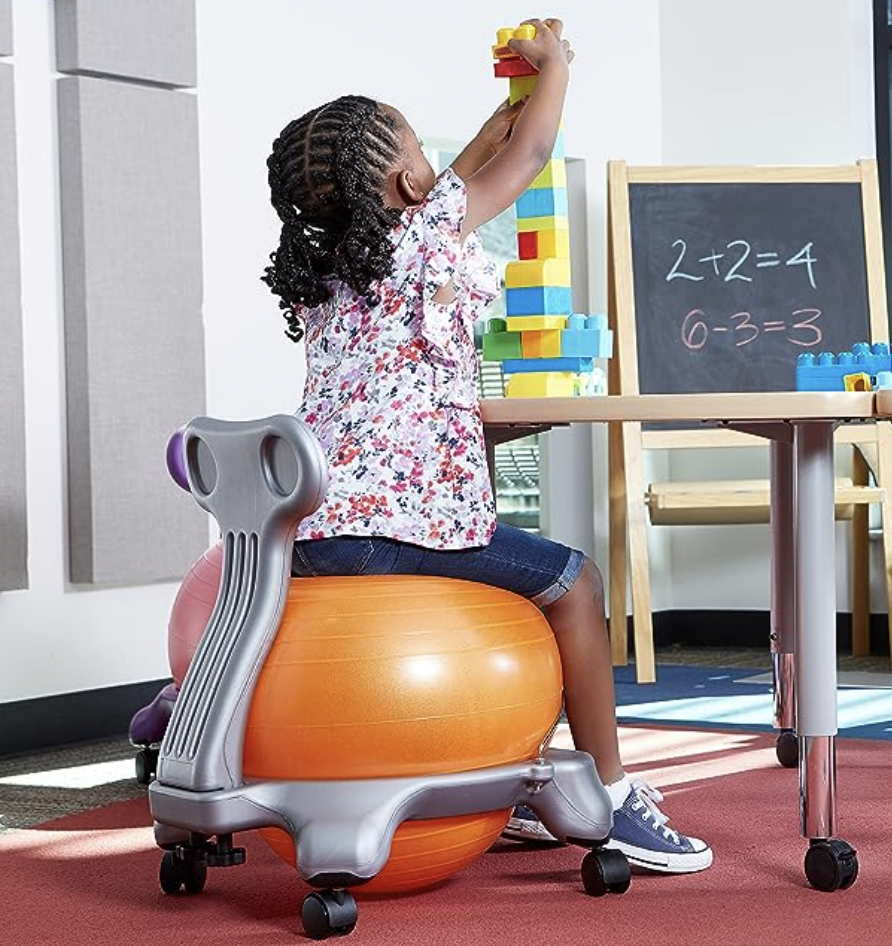
Individualized physical learning
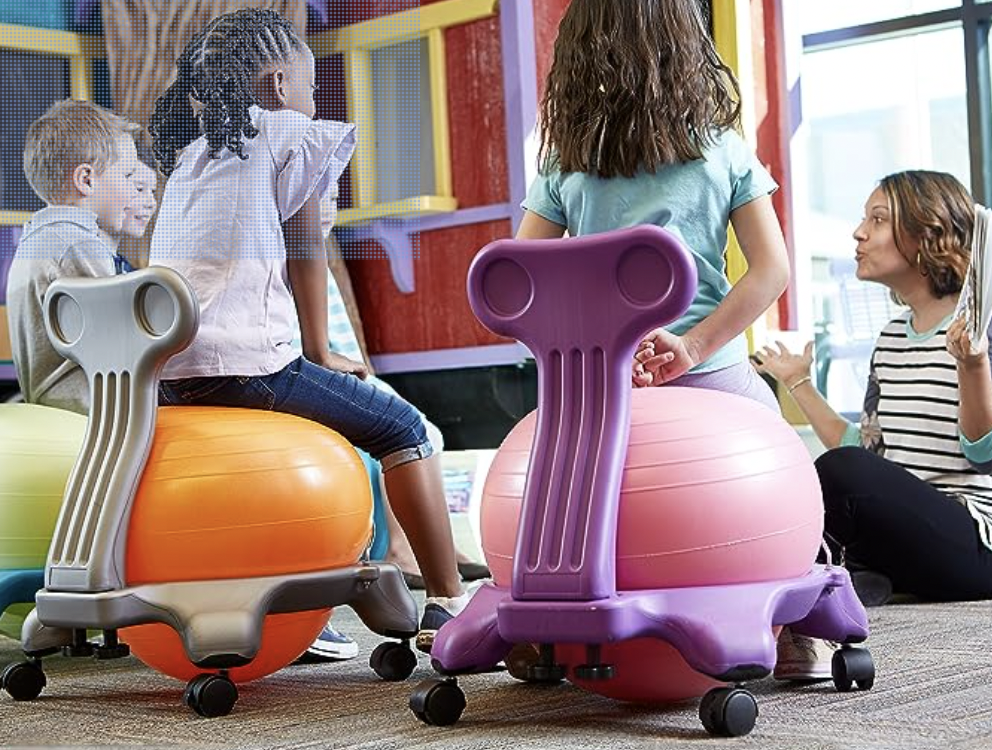
Every student has a unique learning style. Some prefer sitting at a traditional desk, while others may thrive while standing or sitting on the floor. Flexible seating accommodates these diverse preferences, allowing students to select the seating that helps them concentrate and learn best. Flexible seating encourages physical movement and flexibility. Students can switch between different seating options, stand while working, or even use balance balls as chairs. This movement can help prevent restlessness and promote better blood circulation, which can positively impact focus and cognitive function.
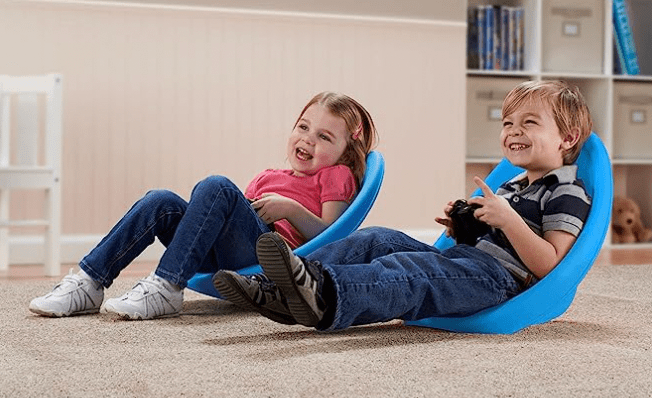
personal Responsibility & transitioning skills
With the freedom to choose their seating, students often develop a sense of responsibility and ownership over their learning environment. They learn to make choices that optimize their learning experience and develop self-regulation skills. The ability to transition between different seating options mirrors real-life situations where adaptability and flexibility are essential. Students develop skills that are valuable in both academic and professional contexts.

 Curious Kate