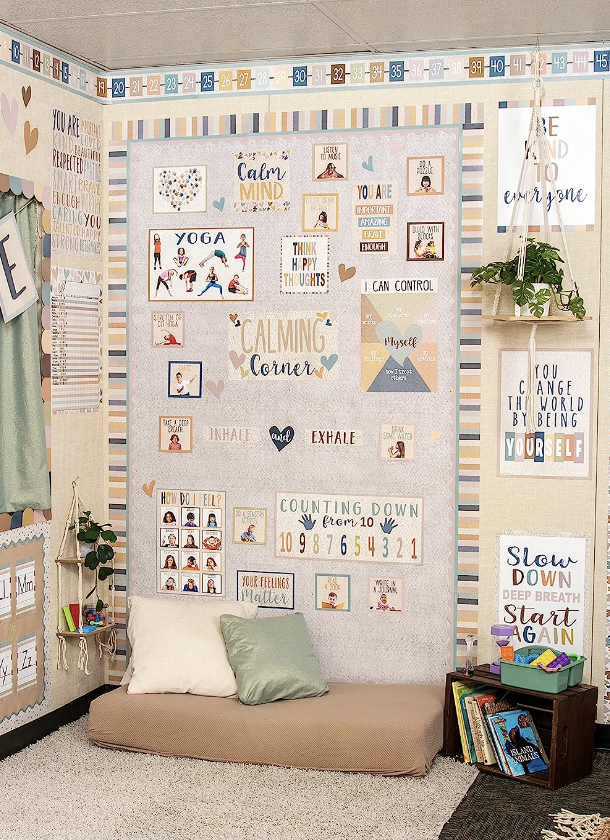
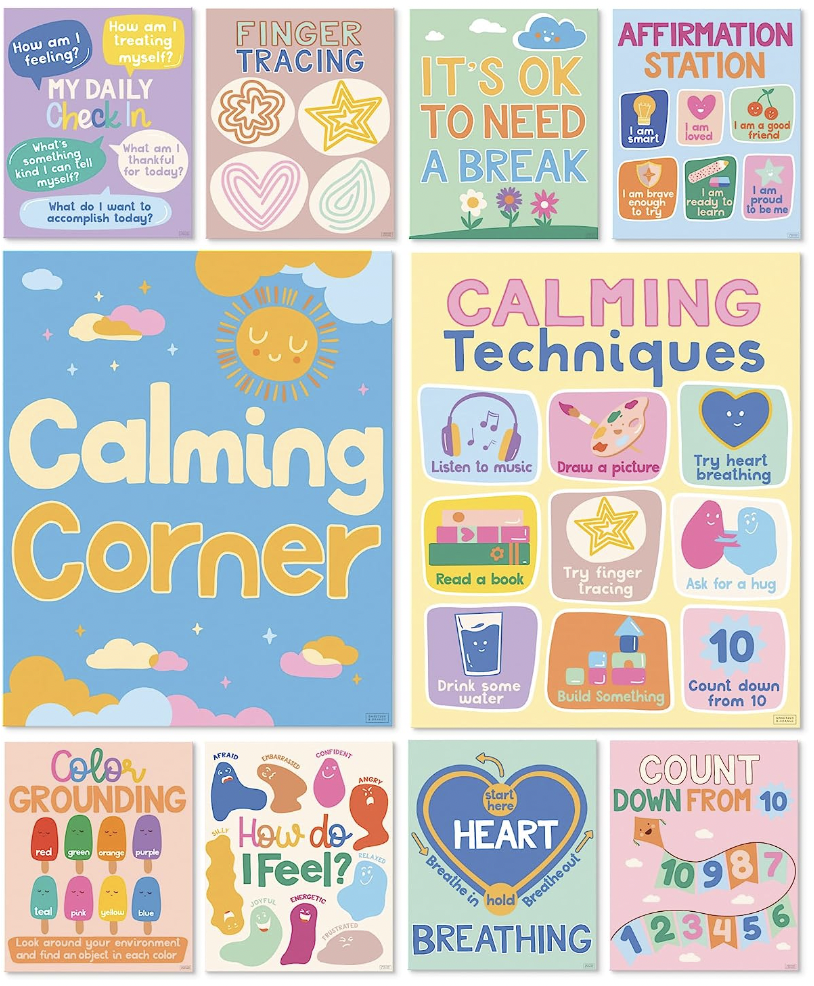
A calming corner, also known as a quiet corner or sensory space, is a designated area within a classroom designed to provide students with a safe and peaceful space to self-regulate and manage their emotions. This dedicated space offers various sensory tools and resources to help students relax, refocus, and recharge. Implementing a calming corner in the classroom can have numerous positive effects on students’ emotional well-being and overall learning experience.
As we are sharing some educator favorites below, let’s explore some of the key benefits:
*As an Amazon Associate, I earn from qualifying purchases on the affiliate links on this page.
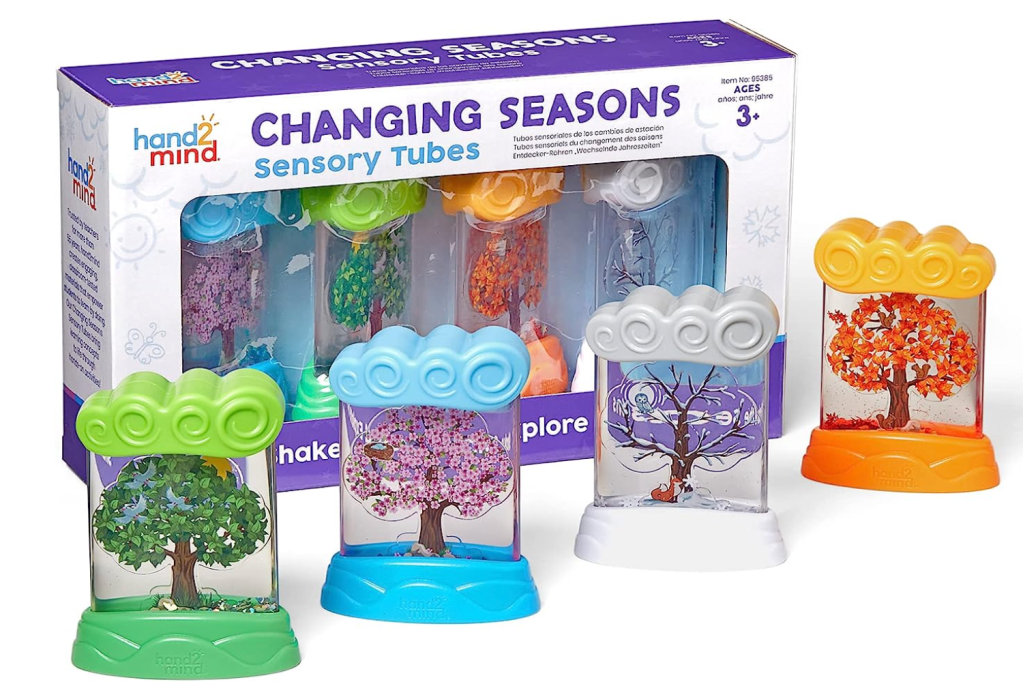
emotional regulation
Calming corners provide students with a designated space where they can practice self-regulation techniques. By engaging with sensory tools and activities, students learn how to manage their emotions and cope with feelings of anxiety, frustration, or stress. When students have access to a calming corner, they can proactively address emotional challenges before they escalate. This can lead to fewer disruptions in the classroom, as students are empowered to take breaks and self-soothe when needed.
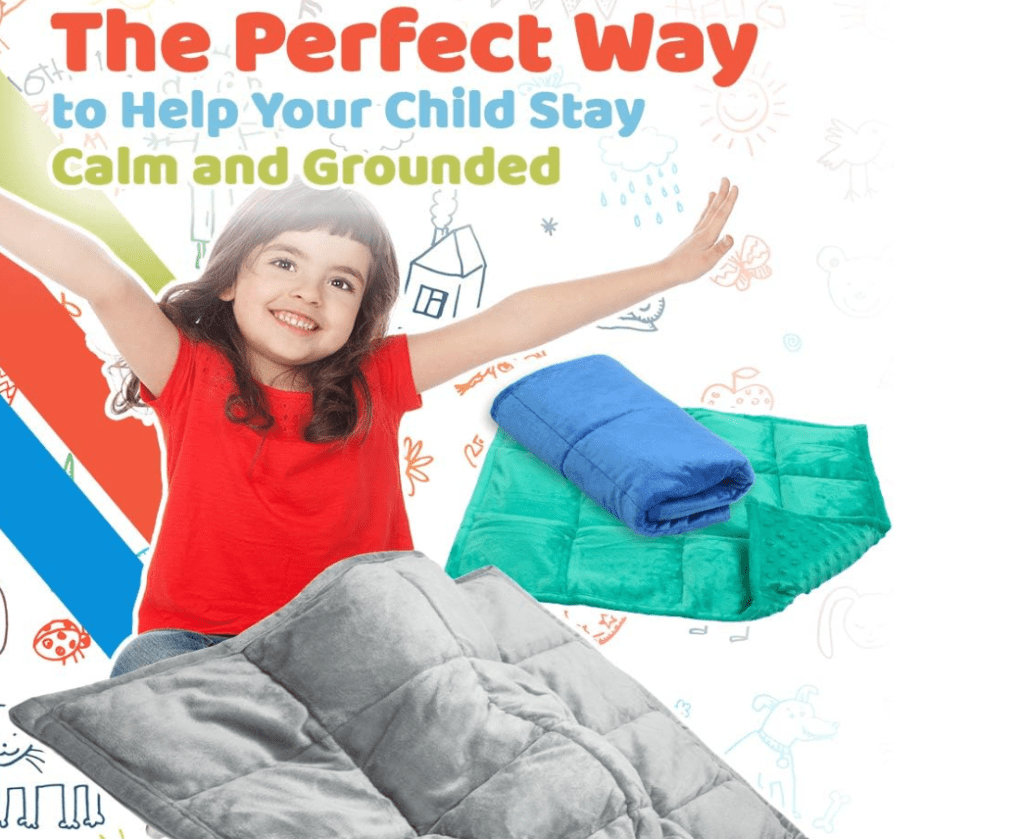
stress reduction
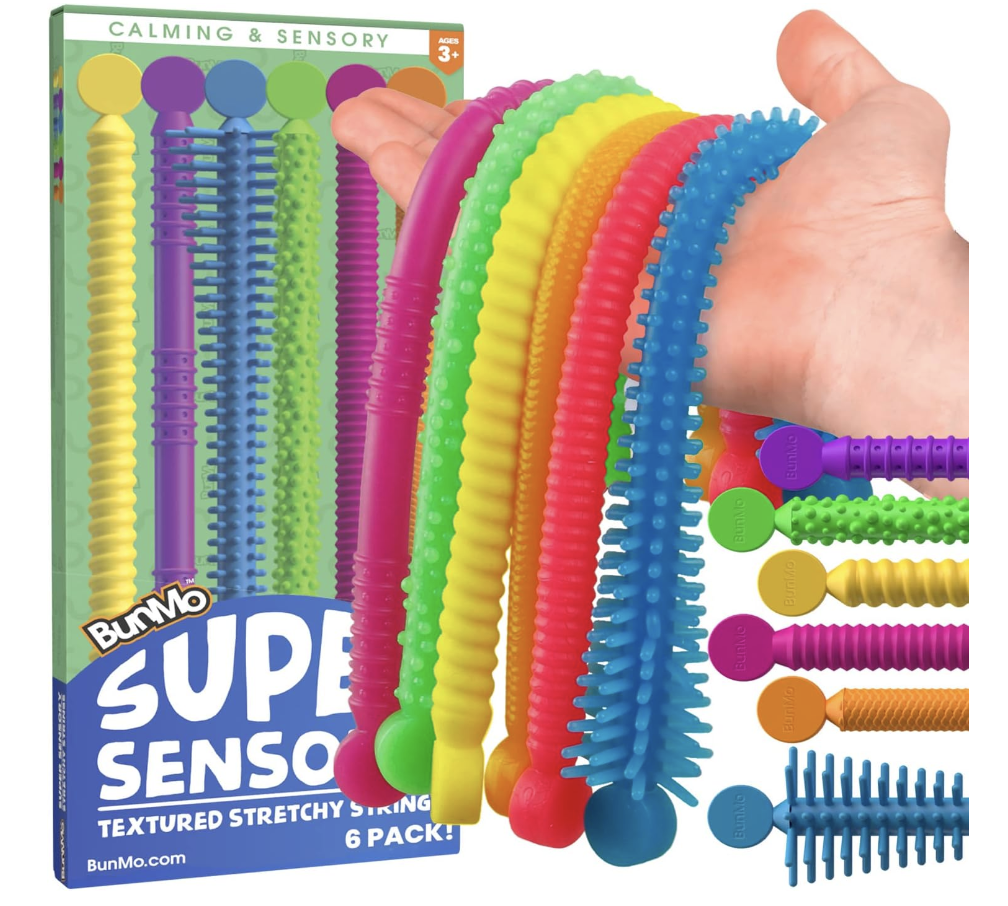
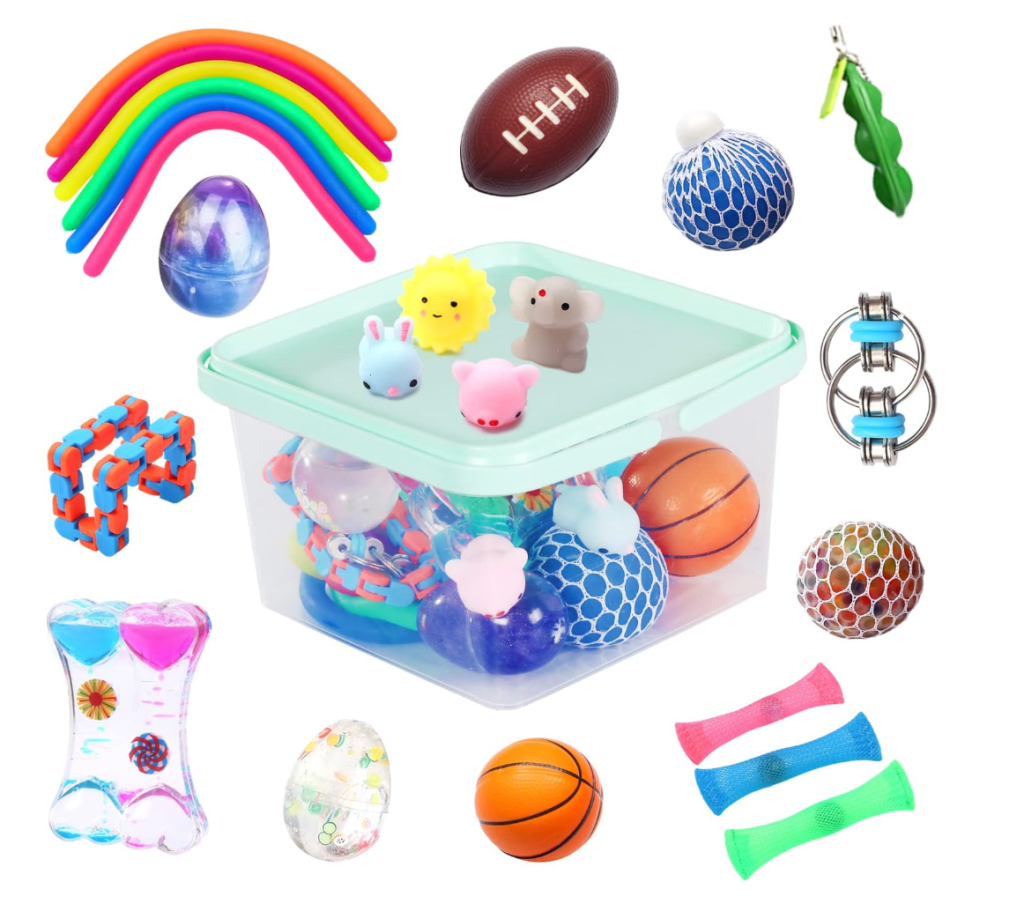
Sensory activities such as fidget toys, stress balls, or calming visuals can help reduce stress and anxiety levels. Providing a designated space for stress relief can create a more positive and relaxed classroom atmosphere. A calming corner offers a private space where students can express their emotions in a healthy and constructive manner. Students can journal, draw, or engage in other creative activities that allow them to process their feelings.
Improved Classroom Climate
When students have access to tools that help them manage their emotions, the overall classroom environment becomes more peaceful and inclusive. Students learn to respect one another’s emotional needs and appreciate the importance of empathy and support.
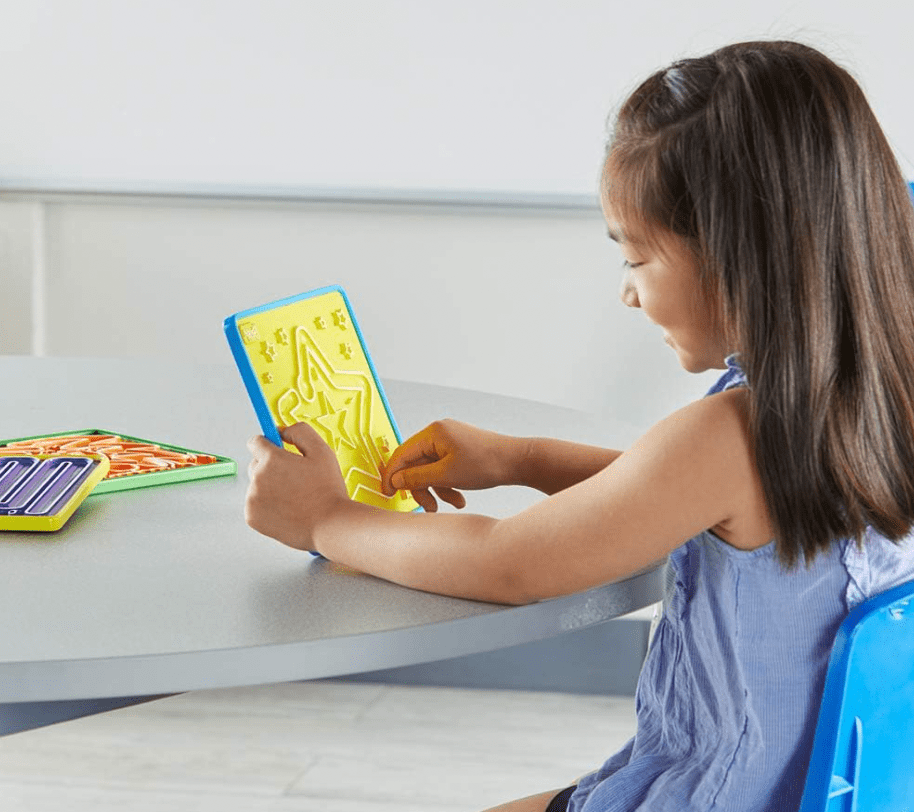
Encourages Mindfulness
Calming corners often incorporate mindfulness techniques such as deep breathing or meditation. These practices help students cultivate mindfulness skills that can benefit them both inside and outside the classroom.

Positive behavior reinforcement
Teachers can use the calming corner as a positive behavior reinforcement tool. Students who utilize the space effectively can be acknowledged and rewarded for their emotional awareness and self-regulation skills. Engaging with sensory tools in a calming corner can help students reset their focus and attention. Spending a few minutes in this space can lead to improved concentration and productivity once students return to their tasks.
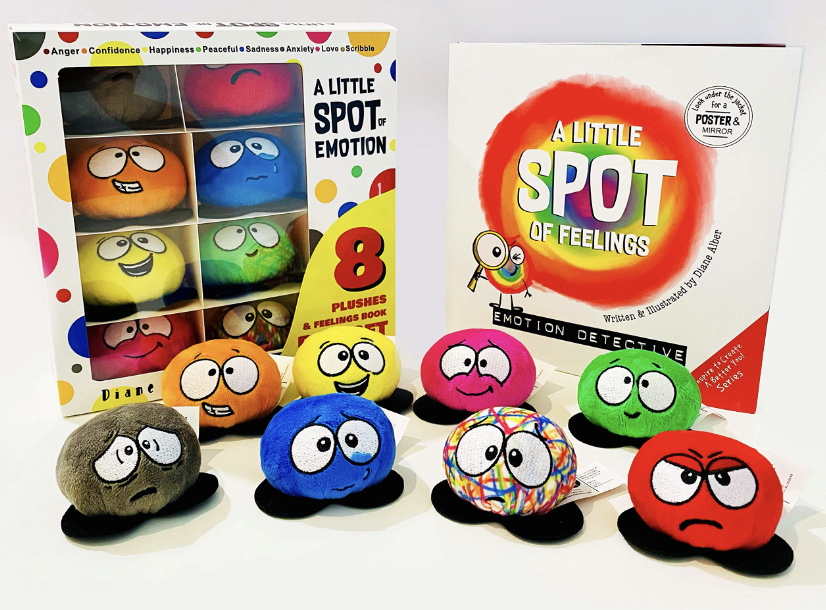
Enhanced Self-Awareness
Using the calming corner encourages students to become more aware of their emotional states and triggers. Over time, this increased self-awareness can empower students to better understand themselves and their emotional responses. Every student’s emotional needs are unique. A calming corner allows students to tailor their sensory experiences based on their preferences, enabling them to find strategies that work best for them.

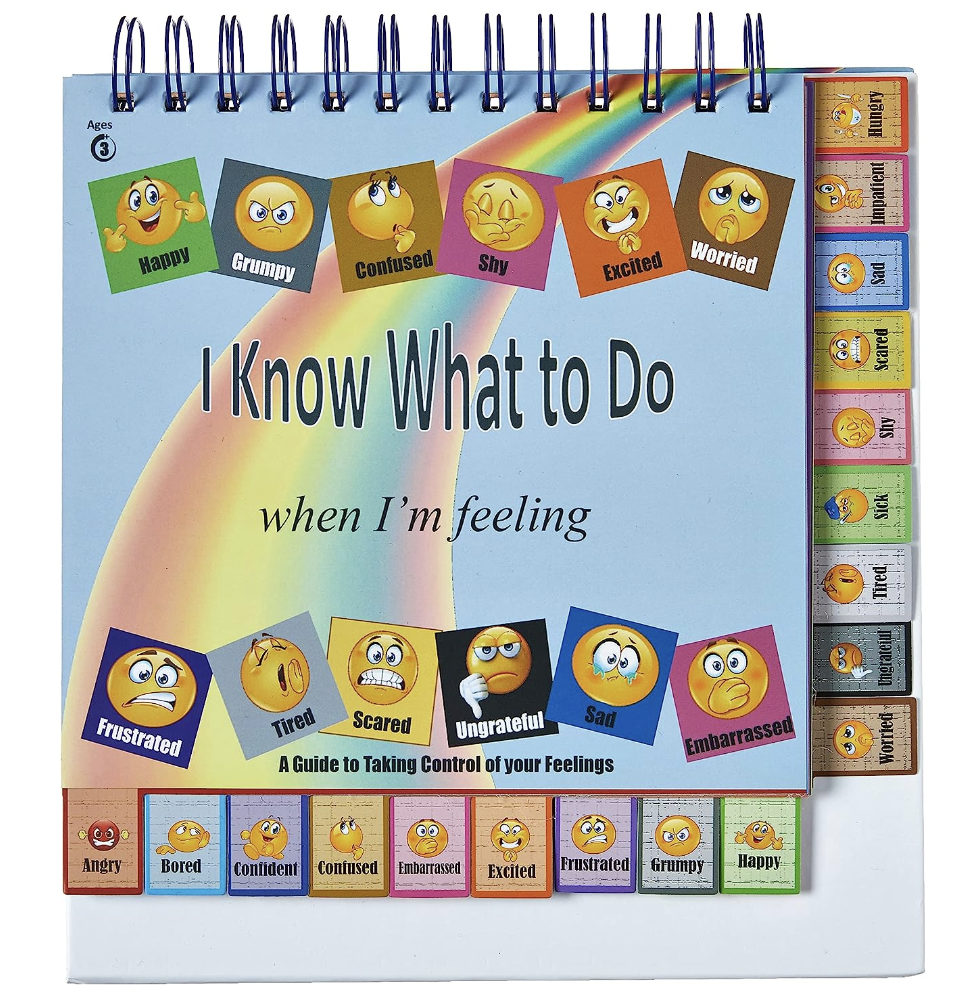
 Curious Kate